
Employee Stress Management: Ten Workplace and Support Practices to Evaluate
Employers can address workplace stress through realistic workloads, clear expectations, private support channels, appropriate flexibility and regular review. The ten practices below are planning options to evaluate with employees; they are not a universal burnout treatment or a substitute for workplace safety duties.
Workplace Health Screenings and HSAs: Check Clinical Need, Privacy and Eligibility
A workplace screening can be considered for HSA reimbursement only when the actual test or service is an eligible unreimbursed medical expense under the plan. The workplace-program label does not qualify every test. Assess clinical need, practitioner or facility requirements, privacy and any required prescription separately.
Small Business Health Benefits: Compare Employee Needs, HSA Limits and Costs

Small Canadian businesses should compare health benefits using employee needs, available medical allowances, complete costs and insurance protection. An HSA is one option for eligible reimbursements within a defined limit; it is not automatically cheaper than insurance or a guarantee of recruitment and retention results.
Canadian HSA Education Across Age Groups: Expenses, Tools and Plan Limits
Canadian HSA education should explain eligible expenses, available allowances and claim procedures using employees’ actual needs, rather than assumptions about age. A Canadian HSA reimburses medical expenses under an employer plan; it is not a retirement investment or personal savings account.
Is Canada’s healthcare free? The truth about out-of-pocket costs

Many assume Canada’s healthcare is entirely free. However, out-of-pocket costs can add up. So, is Canada’s healthcare free? Not entirely.
HSA Eligible Expenses and Employee Retention: Evaluate the Actual Benefit
Evaluate an HSA’s role in employee retention by comparing eligible medical coverage with employee needs, then measuring results in your workforce. A Canadian HSA can reimburse qualifying medical expenses within a defined allowance, but it does not establish that employees will stay longer or become more engaged.
Six Workplace Safety Checks for Canadian Employers
Canadian employers should check protective equipment, hazard reporting, housekeeping, equipment training, emergency response and fatigue risks. Start by identifying the workplace’s occupational health and safety jurisdiction and actual hazards; requirements vary by industry, location and work.
How a Health Spending Account Works: A Comprehensive Guide for Employers and Employees
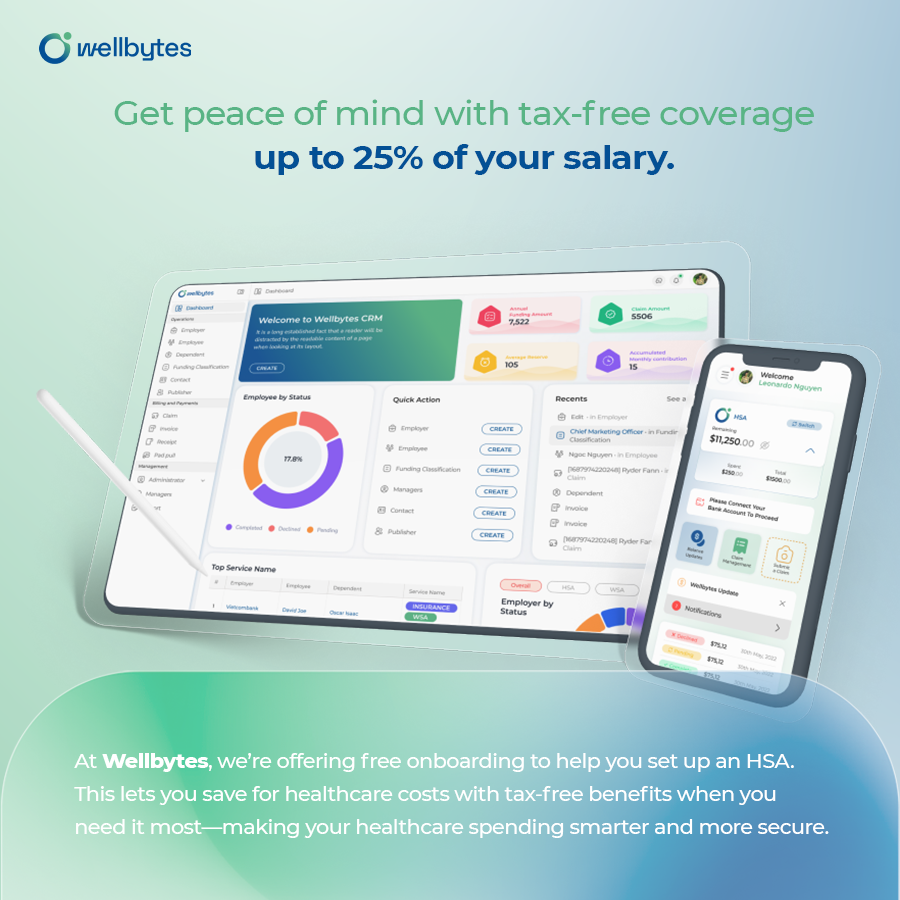
A Canadian employer Health Spending Account (HSA) works by setting eligible participants and benefit allowances, reviewing employee medical-expense claims and reimbursing approved amounts within the plan. It is an employer-funded reimbursement arrangement, not a personal savings or investment account or unlimited insurance protection.
Employee Class Categorization and Their Eligibility and Coverage

An employee class is a category of employees which is used to group employees based on job-related criteria, such as job titles or departments, pay scale, or branch in corporate hierarchy. When it comes to benefits, they may also be used to offer different coverage.
