
Understanding the Difference Between Canadian and US HSAs

Sources reviewed October 16, 2026 Canadian HSA vs US HSA They share an acronym, but they are different benefits. In Canada, a Health Spending Account typically lets an employer reimburse eligible medical expenses through a health-benefit plan. In the United States, a Health Savings Account is an individually owned account that can hold savings and […]
Employee Benefits and Tax Treatment: HSA, Wellness and Retirement Checks
Canadian employee benefits have different tax rules: qualifying PHSP medical benefits are generally non-taxable federally, lifestyle reimbursements are generally taxable unless an exception applies, and employer RRSP contributions generally create a taxable employee benefit. Compare each benefit’s actual payroll treatment and costs; no single tax label fits the entire package.
Workplace Wellness Planning: Five Strategies to Evaluate
Evaluate five workplace wellness strategies against employee needs: relevant options, mental-health support, financial education, accessible movement and leadership participation. Set measurable goals and privacy safeguards before choosing activities. A wellness program does not by itself establish improved health, satisfaction or productivity.
How Wellbytes Supports Benefits Administration
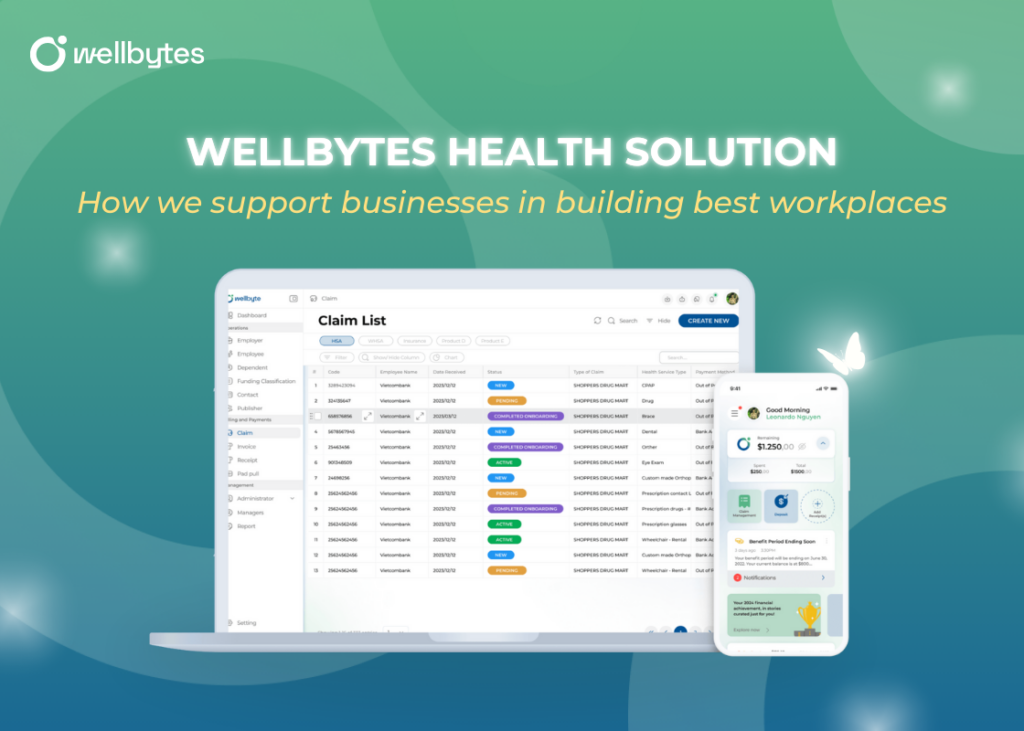
Wellbytes supports Canadian employers by administering spending-account claims and benefit records under an agreed plan. Employers define eligible benefits and fund their obligations; employees follow the account and claim instructions. Confirm the functions, privacy controls and costs your business needs before enrolling.
Five Work-Life Balance Strategies to Discuss
Five work-life balance strategies are to set realistic priorities, agree work boundaries, check available support, explore suitable flexibility and plan rest. Adapt them to the role and workplace; individual habits and benefit allowances do not by themselves resolve excessive workload or treat burnout.
Three HSA Features to Evaluate for Your Workforce
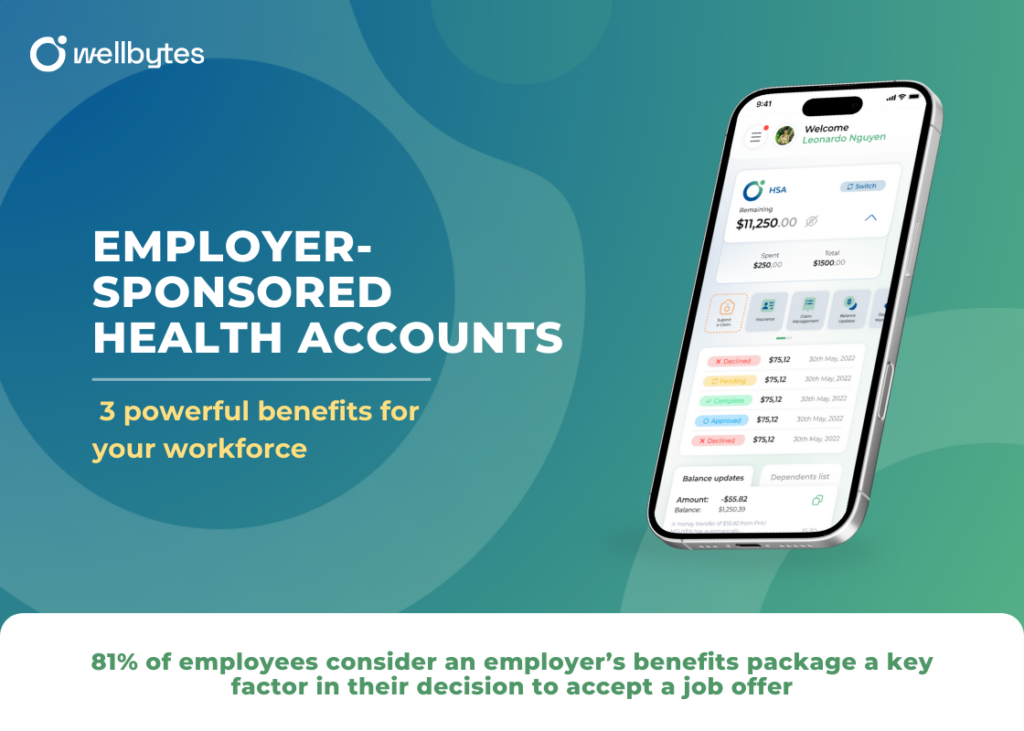
Canadian employers can evaluate three HSA features: conditional medical-benefit tax treatment, choice among eligible expenses and a defined allowance for budgeting. Each depends on the actual plan, participants and costs. These features do not guarantee savings, engagement or retention.
Employee Productivity: Seven Work and Benefit Practices to Evaluate
Employers can evaluate seven practices for productivity: relevant health benefits, clearer communication, suitable breaks, task prioritization, decision autonomy, mental-health support and appropriate outcome measures. Select practices that fit the actual work and assess results; none guarantees better performance for every team.
Employer Healthcare Plans and Retention: Evaluate Employee Needs and Results
Evaluate an employer healthcare plan’s role in retention by comparing employee needs and coverage with actual workforce feedback and departure reasons. Benefits are one part of compensation and working conditions; a particular plan does not establish that employees will stay or perform better.
How Workplace Stress Affects Employees
Workplace stress can affect employees’ health, concentration and ability to work, with effects that vary by person and working conditions. Employers should assess workload, role clarity, resources and support rather than assuming one universal cause or a fixed financial loss. Medical benefits can support eligible care but do not resolve workplace stressors.
