A Toronto employer can assess an HSA as a defined medical reimbursement benefit. The federal PHSP framework applies; Toronto does not have a separate tax-approved HSA regime or a guaranteed saving based on location.
Confirm the Employer and Participants
A qualifying employer plan may cover eligible employees. For an incorporated owner, employee versus shareholder capacity matters. Incorporation alone does not establish eligibility, and not every employee plan requires the employer to be incorporated.
CRA’s archived warning addresses the HSA arrangement described for a sole proprietor without arm’s-length employees. Qualifying self-employed PHSP premiums have separate contract, income, employee and deduction-limit requirements. A freelance title alone does not establish an employee HSA entitlement.
Document reasonable employment-based allowances and participant classes. There is no universal requirement that every employee or owner receive an identical allowance. Family coverage depends on actual PHSP covered-person and plan conditions.
Medical Expenses and Ontario Practitioners
Potential categories include eligible dental and orthodontic treatment, prescription eyewear, qualifying drugs and recognized-practitioner services. Check the actual service jurisdiction, expense category and required supporting evidence; a preferred provider or general health purpose is insufficient.
CRA’s current practitioner table recognizes massage therapists and psychotherapists in Ontario for medical-expense purposes. Verify the actual provider and service rather than assuming every service from a listed profession qualifies.
Under the usual drug rule, the medicine must legally require a prescription and the purchase must be recorded by a pharmacist. Insulin and narrow specified exceptions have their own requirements.
Gym memberships and ordinary vitamins or supplements are ineligible medical expenses, even if prescribed. B12 therapy prescribed for pernicious anaemia is the specific vitamin exception. Purely cosmetic dental or other procedures do not qualify merely because they are expensive or offered by a clinic.
Separate Employer Costs and Employee Tax Treatment
Qualifying employee PHSP benefits are generally non-taxable federally; Québec has separate provincial rules where applicable. Employer deductions depend on qualifying costs, employment purpose, reasonableness and the actual business facts. An unused allowance alone is not an incurred deduction.
Qualifying insured PHSP benefits can also receive favourable federal treatment. An individual’s top tax bracket does not independently determine the corporation’s deduction, employee treatment or net saving.
A Hypothetical $8,000 Orthodontic Example
Assume a qualifying employer plan reimburses $8,000 of eligible orthodontic expenses for a covered family member. At an assumed 10% administration rate, administration is $800 and funding totals $8,800 before applicable taxes and separate charges.
The $8,000 is an illustrative expense, not a Toronto average or verified customer invoice. The example calculates funding, not net tax savings. Obtain a current treatment quote and assess actual employer and personal tax facts before estimating net costs.
Compare Complete Quotes and Medical Risks
Use dated quotes for the particular dental or vision procedure. Do not infer Toronto/national averages or future price growth from an unspecified association or unsupported market claim.
Compare actual reimbursements, administration, taxes, insurance premiums, limits, deductibles and exclusions. An HSA provides a defined benefit and does not guarantee every bill, broader protection or lower total costs than insurance.
Set Up and Administer the Benefit
- Confirm the employer, covered participants and qualifying arrangement.
- Document reasonable allowances, periods, categories and deadlines.
- Explain required receipts, prescriptions, certifications and coordination with other plans.
- Follow the agreed review, employer-funding and payment process.
- Retain plan, claim and payment records and apply actual reporting requirements.
Under Wellbytes’ current HSA Pay-as-You-Use terms, administration is 10% of eligible reimbursed amounts plus applicable taxes, with no setup or recurring subscription fee. Other arrangements follow their accepted terms.
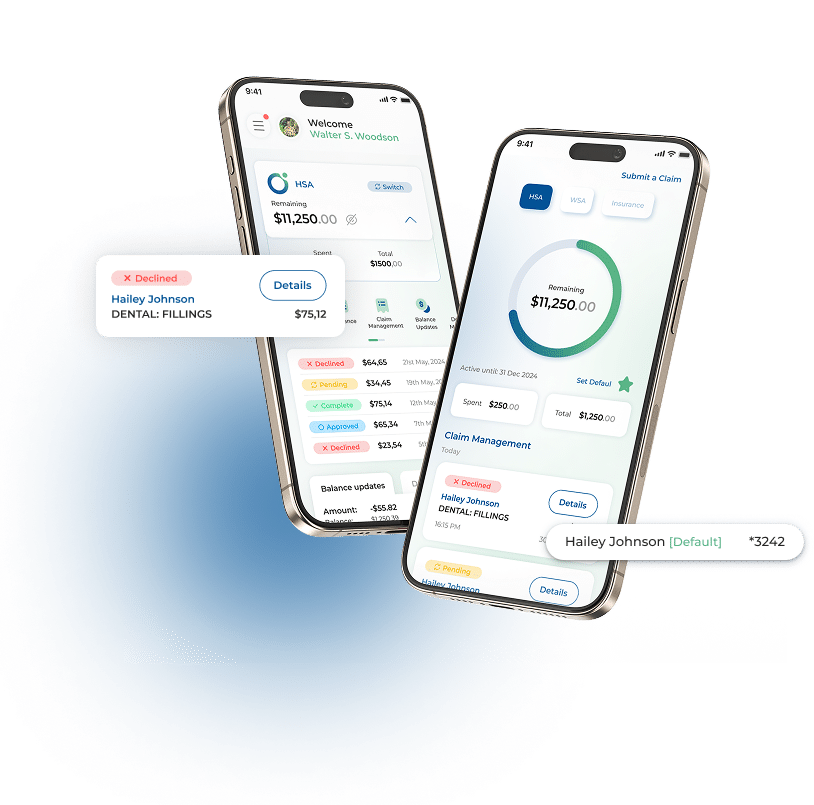
Confirm actual digital submission, record access and support functions. A provider does not guarantee qualification, instant reimbursement, seamless integrations or audit protection.
Review Wellbytes’ current terms or ask about administration for a Toronto employer’s proposed plan.
Sources checked October 21, 2026: CRA: medical benefits and PHSP treatment; CRA: eligible medical expenses and item conditions; CRA: recognized medical practitioners by jurisdiction; CRA: business expenses and self-employed PHSP premiums; CRA: warning about personal self-insured HSAs; Income Tax Act, section 15: shareholder benefits; Income Tax Act, section 67: reasonable expenses; Wellbytes: administration, funding and fee terms; CRA: recordkeeping and retention requirements.