
HSA and Health Insurance for Self-Employed Canadians: Check Eligibility and Actual Protection
Self-employed Canadians should establish HSA eligibility before comparing it with health insurance. A qualifying employer HSA provides limited medical reimbursements; insurance provides the protection specified in its policy. An incorporated owner needs an employee-capacity benefit, while a sole proprietor’s personal self-insured HSA must not be assumed to qualify.
Common HSA Medical Expenses for Incorporated Professionals: Conditions and Records
Common HSA expenses for incorporated professionals include eligible dental care, prescription vision care, qualifying drugs and recognized practitioner services. The owner must qualify as an employee participant, and each expense needs its own conditions and records; incorporation does not create a special approved expense list.
HSA and Compensation for Incorporated Professionals: Compare Actual Tax and Funding Facts
For an incorporated Canadian professional, salary, dividends and an HSA serve different purposes: cash compensation provides spendable income, while a qualifying HSA reimburses eligible medical expenses within a plan allowance. Compare equivalent employer costs and the actual corporate, personal and provincial tax facts; no option is universally best.
Understanding the Difference Between Canadian and US HSAs

Sources reviewed October 16, 2026 Canadian HSA vs US HSA They share an acronym, but they are different benefits. In Canada, a Health Spending Account typically lets an employer reimburse eligible medical expenses through a health-benefit plan. In the United States, a Health Savings Account is an individually owned account that can hold savings and […]
Planning an HSA for Incorporated Owner-Employees

Plan an HSA for incorporated owner-employees by establishing the employment benefit, documenting reasonable allowances and confirming eligible expenses, funding and claim rules. Incorporation alone does not establish qualification; the owner must receive the benefit as an employee rather than merely as a shareholder.
Why Canadian Incorporated Businesses Should Review Health Spending Accounts
An incorporated Canadian business should review an HSA when a defined employee medical allowance could meet its workforce’s needs. Compare eligibility, complete funding costs and insurance protection before choosing the arrangement. An owner must receive a qualifying employee benefit rather than a benefit solely through share ownership.
Canadian HSA Tax Treatment: Eligibility, Deductions and Reimbursements
Canadian HSA tax treatment involves separate rules for employer deductions, employee medical benefits and personal medical expense credits. Benefits under a qualifying Private Health Services Plan (PHSP) are generally non-taxable federally to employees; Québec applies separate provincial taxable-benefit rules. The actual plan and employment relationship determine the result.
HSA Funding for Incorporated Businesses: Costs, Eligibility and Limits
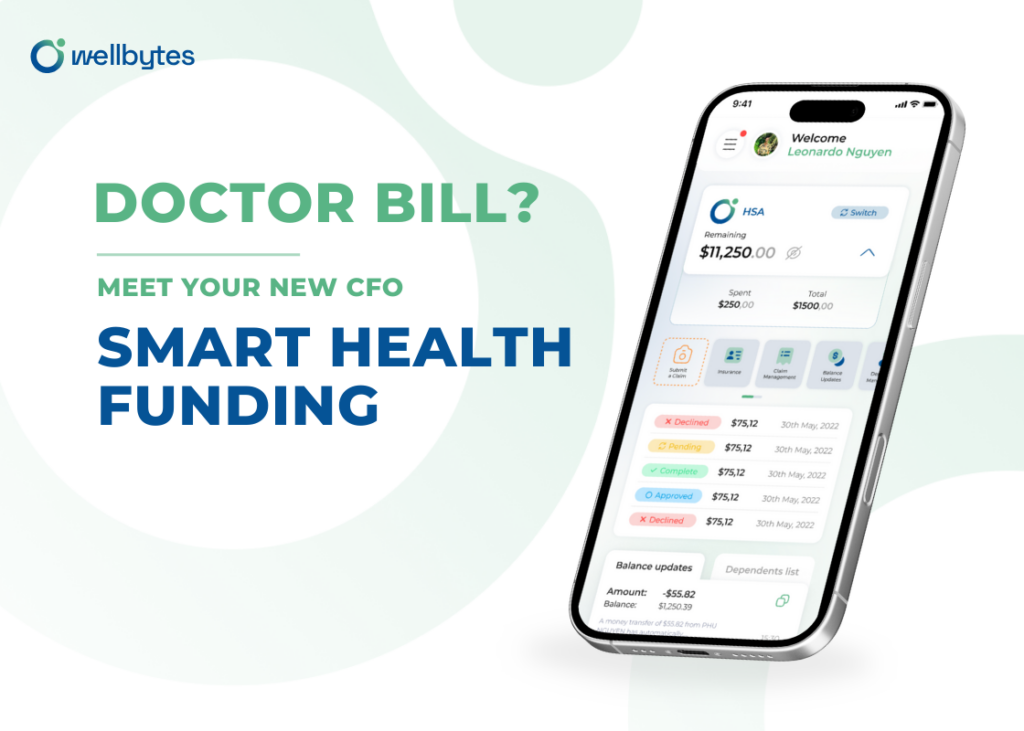
An incorporated Canadian business funds an HSA as an employee medical benefit under its accepted plan and administration agreement. Budget for eligible reimbursements, fees and applicable taxes; distinguish the available allowance from incurred costs. Incorporation alone does not establish favourable tax treatment.
Is Canada’s healthcare free? The truth about out-of-pocket costs

Many assume Canada’s healthcare is entirely free. However, out-of-pocket costs can add up. So, is Canada’s healthcare free? Not entirely.
