Sources reviewed October 22, 2026
Eligible expenses under a Health Spending Account (HSA) in Canada may include dental treatment, prescription eyewear, qualifying medications, services from recognized practitioners, and certain medical equipment. Whether a claim is reimbursed depends on the expense, the person receiving care, the required documents, and your plan’s limits.
Eligible businesses and incorporated professionals can get started with Wellbytes through fast, simple online self-onboarding.
Businesses with employees: Enter your business details, set your team’s allowances, and add your employees in a few simple steps.
Incorporated individuals: Add your business details, set your allowance, and complete your setup online.
Eligibility and tax treatment depend on your business structure, employment relationship, and plan terms.
What Is a Health Spending Account in Canada?
An HSA is an employer-funded medical reimbursement benefit, not a personal savings or investment account. Employers set healthcare allowances, and covered employees use them for qualifying expenses.
For favourable federal employee tax treatment, the arrangement must qualify as a Private Health Services Plan (PHSP). Qualifying benefits are generally non-taxable federally under the CRA’s PHSP rules.
Eligible employer health-benefit costs are generally deductible, subject to applicable requirements. An unused allowance does not automatically create a deduction. See the Department of Finance’s health-benefit explanation.
Quebec differs: Employer-paid PHSP coverage is generally a provincial taxable employee benefit. Review Revenu Québec’s PHSP guidance.

Why Choose an HSA Over Traditional Group Insurance?
An HSA can suit a business that wants to set a healthcare allowance while giving employees choice among eligible expenses. Employers can define coverage within the applicable rules and budget for reimbursements, administration fees, and taxes.
It is not automatically a better replacement for insurance. Compare an actual policy’s coverage and limits with the HSA arrangement. Traditional health and dental insurance can also qualify as a PHSP, and some employers use both.
Eligible Expenses in a Health Spending Account in Canada
The following categories cover common claims, not every possible expense. The CRA’s medical-expense guide explains the underlying conditions. Your employer’s plan may cover a narrower range.
1. Dental Care
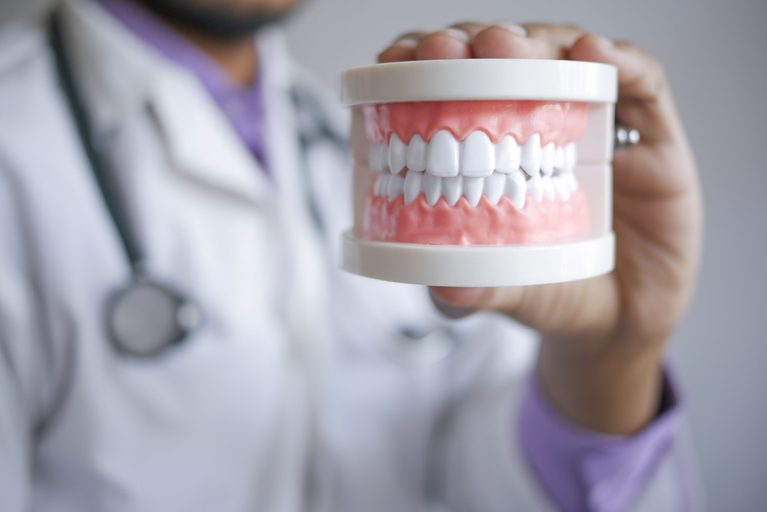
Routine examinations, fillings, extractions, and qualifying orthodontic treatment can be eligible. Braces and retainers may qualify when provided as part of eligible dental treatment.
Purely cosmetic procedures, such as teeth whitening, are not eligible medical expenses.
2. Vision Care
Eye examinations by an authorized practitioner, prescription glasses, and prescription contact lenses may qualify.
Laser eye surgery can also qualify when paid to a medical practitioner or a public or licensed private hospital. Eyewear must meet the applicable prescription requirements; ordinary non-prescription sunglasses do not qualify simply because they protect your eyes.
3. Paramedical Services
Physiotherapy, chiropractic care, acupuncture, and massage therapy may qualify when the service and practitioner meet the medical-expense requirements.
Recognition differs by province or territory. For example, CRA’s current table does not list massage therapists as recognized in Alberta. Calling a provider a registered massage therapist does not establish eligibility everywhere.
Check the CRA’s authorized-practitioner table before booking a service you intend to claim.
4. Prescription Medications
Under the usual drug rule, the medication must legally require a prescription, and the purchase must be recorded by a pharmacist. Separate exceptions have their own conditions.
A prescription alone does not make an ordinary over-the-counter medicine eligible. Vitamins and supplements generally remain ineligible, although specified exceptions exist, such as prescribed vitamin B12 therapy for pernicious anemia.
Prescribed vaccines may qualify. Review the CRA’s detailed medication and vaccine guidance rather than assuming every pharmacy purchase is covered.
5. Mental Health Services
Psychological services can qualify. Counselling and psychotherapy depend on the actual service and whether the practitioner is authorized in the relevant jurisdiction.
Use the practitioner table above to check the provider’s profession. General coaching is not automatically an eligible medical expense.
6. Medical Equipment and Supplies
Wheelchairs, hearing aids, prescribed walking aids, and qualifying orthopedic shoes or inserts may be eligible.
Requirements differ by item. For example, walking aids and orthopedic footwear require a prescription, while wheelchairs and hearing aids generally do not. Check the CRA’s expense and documentation checklist before purchasing.
How a Health Spending Account Works
- Establish the benefit. The employer documents who is covered, the allowance, eligible expenses, and funding terms.
- Submit the claim. The covered employee submits the receipt and any required prescription, certification, or other supporting information.
- Review and reimburse. The claim is checked against the plan, available allowance, and documentation. Approved claims are paid according to the funding and payment terms.
- Check year-end rules. Claim deadlines and carry-forward depend on the arrangement, rather than an automatic right to keep unused benefits.
CRA’s archived flexible-benefits guidance discusses carrying forward either unused allocations or eligible expenses—not both—for up to 12 months, subject to its conditions.
Wellbytes supports digital claims, receipt records, balances, and reporting. It provides administration, not insurance; employers retain their plan and tax responsibilities under the Administrative Services Agreement.
Tips for Making the Most of Your HSA
Check before you spend. Confirm participant eligibility, your remaining allowance, and any provider or prescription requirements.
Keep your records together. Retain receipts and supporting documents, and make sure you understand the submission deadline.
Coordinate with other coverage. An HSA may reimburse an eligible balance left after insurance pays, but the same amount should not be reimbursed twice.
The Wellbytes HSA Eligible Expenses Guide is a useful starting point. Your actual plan terms still determine what you can claim.
Who Can Benefit From an HSA?
Businesses can offer HSAs to eligible employees and covered dependants. A corporation with one owner-employee may qualify, but the benefit must arise from employment rather than share ownership. Review the CRA’s shareholder-benefit guidance.
Certain unincorporated businesses with arm’s-length employees may also qualify. CRA’s archived HSA warning explains the restriction affecting sole proprietors without such employees.
Separate conditions apply to self-employed PHSP-premium deductions. An HSA is not automatically a personal account that any family can open.
Common Questions About HSAs in Canada
Are HSAs Available Across Canada?
HSAs can be offered across Canada, but practitioner recognition, provincial tax treatment, and the specific plan’s coverage need checking.
Is There a Maximum HSA Allowance?
There is no single universal CRA annual dollar cap for employer-sponsored HSAs. Allowances and deductions remain subject to the actual plan, employment relationship, and applicable tax rules. Self-employed premium-deduction limits are separate.
Can I Have an HSA and Group Insurance?
Yes. An HSA can complement insurance by reimbursing qualifying expenses left unpaid, within the HSA’s allowance and rules.
What if I Am My Corporation’s Only Employee?
A one-person corporation may qualify. The owner must receive the benefit in their capacity as an employee under a qualifying arrangement; incorporation alone does not establish eligibility.
Final Thoughts
Understanding HSA-eligible expenses in Canada starts with the specific purchase or treatment—not just its category. Check the practitioner, required documents, and plan coverage before claiming.
An HSA can give employees useful healthcare flexibility while helping employers define their benefit budget. Clear rules and good records make it easier to use.
Sources and Review
CRA medical-expense, practitioner, PHSP, business-eligibility, and archived carry-forward guidance; Department of Finance health-benefit guidance; Revenu Québec PHSP rules; and Wellbytes administrative terms are linked throughout.
Sources reviewed October 22, 2026.