
Building an Employee Benefits Strategy in Canada: Needs, Costs and Evaluation
An employee benefits strategy sets out what the employer wants to provide, who is covered, the complete budget and how the program will be administered and evaluated. Start with the team’s actual needs rather than assumptions about age groups or an unnamed workforce survey.
Compare HSA and Group Insurance Costs Using Actual Quotes, Limits and Funding
Compare Canadian HSA and group-insurance costs using actual reimbursements, administration, taxes and insurance quotes, alongside each arrangement’s limits and risk protection. A lower HSA funding total does not establish equivalent coverage or net savings. Insurance premiums purchase contractual protection even when no claim occurs.
Compare HSA and Group Insurance: Which Is Better for Small Businesses?
For Canadian small businesses, an HSA suits a defined allowance for eligible medical reimbursements, while group insurance provides the benefits and risk protection specified in its policy. Neither is universally better or cheaper. Compare employee needs, eligibility, complete costs and coverage limits; some businesses may use both.
HSA and Health Insurance for Self-Employed Canadians: Check Eligibility and Actual Protection
Self-employed Canadians should establish HSA eligibility before comparing it with health insurance. A qualifying employer HSA provides limited medical reimbursements; insurance provides the protection specified in its policy. An incorporated owner needs an employee-capacity benefit, while a sole proprietor’s personal self-insured HSA must not be assumed to qualify.
HSA vs. Traditional insurance: Which one saves you more money?
Neither an HSA nor traditional health insurance always saves more money. Compare the HSA’s funded reimbursements, administration and taxes with the insurance policy’s premiums, personal cost sharing and risk protection. A lower HSA outlay does not establish equivalent coverage.
HSA Funding for Incorporated Businesses: Costs, Eligibility and Limits
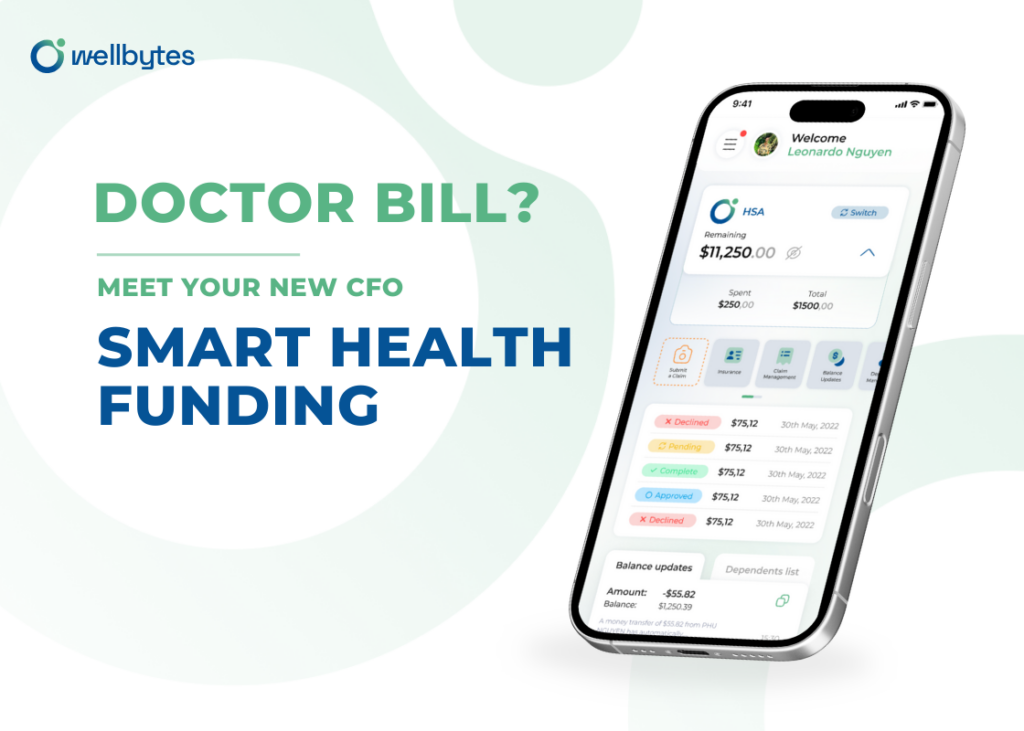
An incorporated Canadian business funds an HSA as an employee medical benefit under its accepted plan and administration agreement. Budget for eligible reimbursements, fees and applicable taxes; distinguish the available allowance from incurred costs. Incorporation alone does not establish favourable tax treatment.
Spending Accounts: A Flexible Benefits Solution for SMEs
Spending accounts let small and medium-sized employers set allowances for permitted expenses. A Health Care Spending Account (HCSA) reimburses eligible medical expenses; a Personal Spending Account (PSA), also called a Wellness Spending Account (WSA), covers employer-permitted lifestyle categories with different tax treatment.
Group Benefits Taxation: The difference between Non-Taxable and Taxable Benefits
Canadian group benefits are taxable unless their specific rules provide an exclusion. Qualifying Private Health Services Plan (PHSP) medical benefits are generally non-taxable federally to employees, while Québec applies separate provincial taxable-benefit rules. Premium contributions and benefit payouts must be assessed separately.
Benefits to A Fully-Insured Group Insurance Solution
A fully insured group plan transfers specified covered claim risks to an insurer in exchange for premiums. Its main benefit is the insured protection defined by the policy; coverage limits, exclusions, employee cost sharing and renewal prices still affect its value.
