Canadian employers can evaluate three HSA features: conditional medical-benefit tax treatment, choice among eligible expenses and a defined allowance for budgeting. Each depends on the actual plan, participants and costs. These features do not guarantee savings, engagement or retention.
1. Apply the correct tax treatment
Medical benefits under a qualifying Private Health Services Plan (PHSP) are generally non-taxable federally to employees. Québec applies separate provincial taxable-benefit rules. Employer deductions depend on incurred business costs, employment purpose and reasonableness; an unused allowance alone is not a deduction.
An insured health plan can also qualify as a PHSP. Compare the actual arrangements, and apply the relevant federal and provincial payroll reporting rules.
2. Offer choice within eligible medical expenses
Employees can use available benefits for eligible dental, vision, drug or practitioner costs that fit their needs. Each expense still has category-specific conditions and documentation requirements.
Document reasonable employment-based classes and allowances. A job title or seniority difference alone does not establish tax qualification. Explain the benefit and gather employee feedback rather than assuming customization improves satisfaction.
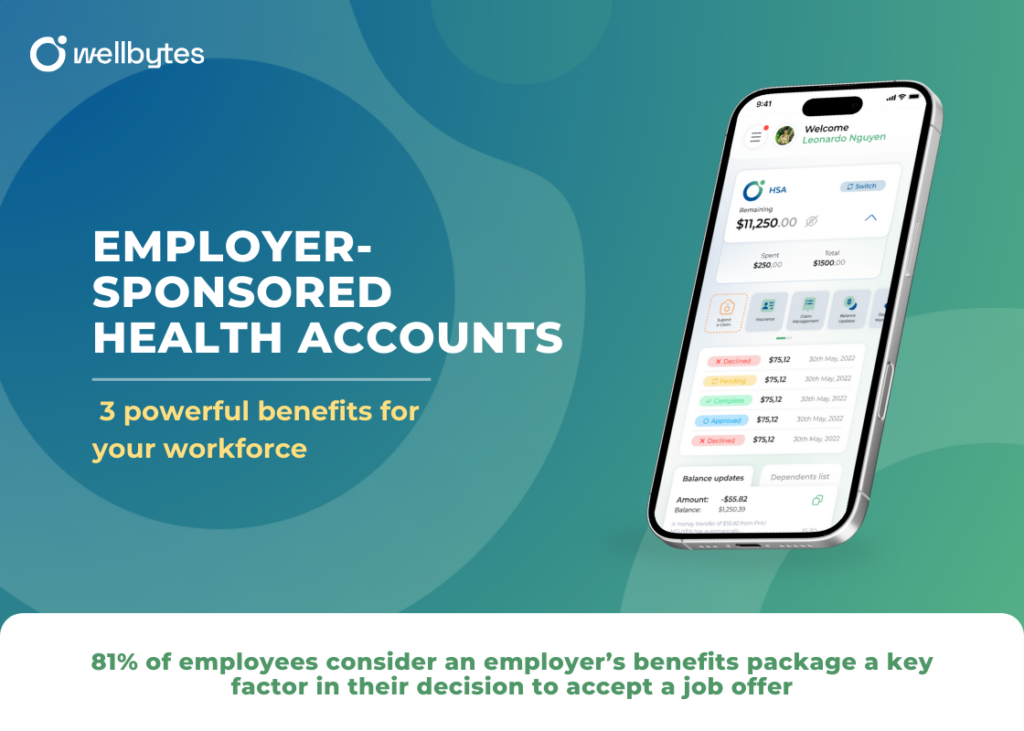
3. Budget for costs and remaining risk
Include eligible reimbursements, administration, applicable taxes and any separate insurance. Current Wellbytes Pay-as-You-Use terms charge 10% administration on eligible reimbursed amounts plus applicable taxes, with no setup or recurring subscription fee. The employer funds claims; other arrangements have separate terms.
A benefit ceiling supports planning, but costs and terms can change. An HSA allowance does not provide all the protection of an insurance policy, and unused insured claims do not make premiums wasted.
Compare the workforce’s medical needs, complete costs, funding schedule and insurance protection. Use actual employee feedback and costs to review the result.